Alright, let’s cut to the chase—if you’re here because your hydraulic system’s due a fresh oil top-up or full refill, you already know skimping on a flush is the #1 mistake that leads to shortened pump life, sticky valves, and random breakdowns that cost you big time. I’ve been in the hydraulic oil game for over 12 years, talking to everything from farm equipment operators to construction fleet managers, and 9 times out of 10, they skip the flush because they think “just draining the old oil” works. Newsflash: that leftover gunk (metal shavings, old oil sludge, water condensation) hides in the hoses, pump chambers, and valve blocks—stuff you can’t see with the naked eye. Messy = new oil that dies in 2 weeks. Let’s walk through exactly how to flush a hydraulic system the right way, no fancy tools, no overcomplicating it. Hydraulic Oil
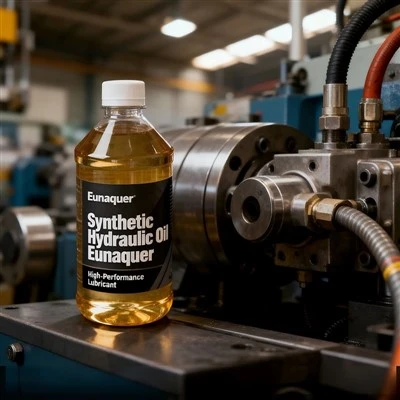
First, let’s pull back the curtain on why this step is non-negotiable for anyone using hydraulics. Think of your hydraulic system as a highway. Old, degraded oil is like potholes and debris on that highway; even a fresh batch of premium oil from us can’t drive smoothly through that mess. Metal shavings from a worn pump, water that seeped in over months, and sludge that built up from oil oxidation—all that stuff will clog small orifices in valves, scratch pump parts, and turn your new oil into a dirty slurry before you even fire up the machine. Last quarter, a client with 12 skid steers tried skipping a flush and ended up replacing 3 hydraulic pumps in 60 days. That’s $15k in repairs he would’ve saved by following this flush process.
Let’s start with pre-flush prep. This is the part most guys rush, and it’s where mistakes happen. First, make sure your system is warm—we’re talking 100-120°F. Cold oil is thick, so it won’t pick up gunk well, plus it makes draining slower. Run the machine for 10-15 minutes before you shut it down, then lock out/tag out (LOTO) the power—safety first, always, no exceptions. Next, pull the suction filter and return filter right away, and set the system bypass valve to “flush mode” if yours has one. If you don’t have a flush mode, just disconnect the return line from the tank and run it straight to a spare 5-gallon bucket (no sending dirty flush oil back into your tank). Pro tip: Grab a cheap hydraulic flushing oil (not your regular working oil—flushing oil is low-viscosity, designed to agitate and carry away gunk) or, if you’re in a pinch, ask us for our specific flush blend—we mix it to cut through sludge without harming seals, which is key. Fill the tank ⅔ full with this flushing oil. Do NOT use used working oil for flushing—won’t get the job done.
Now, the actual flush step. This is where a lot of people mess up by just running the system once and calling it good. We need to break this down into a two-cycle process, trust me. First cycle: run the system for 20 minutes, cycling every valve fully 5 times (extend and retract cylinders, spin the motor, activate all attachments). This agitates the flushing oil and loosens all the hidden gunk stuck in the lines. After 20 minutes, shut it down, let it sit for 10 minutes, then drain the entire flushing oil from the tank, lines, and pump. Here’s the part no one tells you: leave the tank drain plug out for 2 hours, and blow compressed air (low pressure—max 30 PSI) into the lines while the plug’s out to push out any leftover sludge that’s pooling. Do NOT skip this waiting period—trapped oil sitting in lines will mix with new oil.
Now, second flush cycle. If your system has a lot of wear (like if you’ve had a leak recently or replaced a part), do a second round of flushing oil. Repeat the same steps: 20 minutes of running, cycling all valves, then draining fully. For systems that are extra grimy—like a truck that’s hauled wet material or a loader used for scrap metal—add a third cycle. I’ve seen clients with 300+ hour systems use three flushes and pull out a half-gallon of black sludge the first drain.
Okay, now we’re ready for the post-flush cleanup, which is just as important as the flush itself. First, replace those filters—every single one, no reusing old ones. Even if they look fine, small bits of gunk can pass through and ruin new oil. If you have a return line filter, go for a high-particle-retention filter here, not the standard one. Then, wipe down the tank opening so no dirt falls in when you add new oil—no exceptions, even if you think your work area is clean. Now, refill the tank with your new hydraulic oil. Hold up—don’t fill it to the top. Leave 10% headroom; hydraulic systems expand when warm, and overfilling causes leaks and pressure issues.
Wait, a quick question: should you use regular working oil as a flush? We get this all the time. The short answer is no. Working oil has additives that are designed for long-term lubrication, not for stripping gunk. Flushing oil is lower viscosity, so it flows faster through small passages and lifts debris instead of just coating it. If you’re on a tight budget and can’t swing separate flushing oil, ask us—we can extend your new oil order to include a bulk flush blend at a discounted rate for our regular customers.
Now, let’s talk common pitfalls we see every day. First, overheating during flush. If your pump starts making a whining noise or the oil gets too hot (over 140°F), shut it down for 5 minutes—you don’t want to burn out a pump mid-flush. Second, not cycling all valves. If you just run the motor and leave the cylinders extended, you’re missing all the gunk in the valve blocks. Cycle every single component fully, multiple times. Third, skipping the line blowout. That’s how you get a clogged cylinder 2 weeks later—leftover grit in the hoses.
Once you’ve got your new oil in, fire up the system and run it for 15 minutes, then check the pressure gauge. If it’s where it should be, you’re good. Pro tip: Take a fluid sample after the first 50 hours of operation and send it to us—we offer free oil analysis for our clients, which will tell you if there’s any remaining contamination. It’s like a check-up for your system, and it can save you from big problems down the line.
Here’s the thing: your hydraulic system is the backbone of your equipment. Whether you’re running a single backhoe or a fleet of 20 mining trucks, taking 2 hours to do a proper flush is way cheaper than replacing a $3,000 pump. We’ve worked with hundreds of operators who used to skip flushing and call us in a panic when their machine breaks down at the worst time. Now, they set a reminder in their calendar every time they do an oil change to add a flush, and their equipment lasts 20% longer.

If you’re gearing up for a new oil refill and you’re not sure if your system needs a full flush, or you need help picking the right flushing oil for your setup, hit us up. We don’t do pushy sales—we just know hydraulics, and we want your equipment to run as long as it can. We’re here to answer questions, help you size up the right oil and flush materials, and make this whole process as painless as possible for you. Don’t wait until you have a breakdown to fix what you missed.
Gear Oil References:
- American Petroleum Institute (API). Hydraulic Fluid Standards and System Maintenance Guidelines. 2021.
- National Fluid Power Association (NFPA). Best Practices for Hydraulic System Flushing and Oil Change Procedures. 2022.
- Bosch Rexroth. Hydraulic System Contamination Control Handbook. 2020.
MoGen Lubricating Oils
With abundant experience, we are one of the most professional hydraulic oil manufacturers and suppliers in China. We warmly welcome you to wholesale custom made hydraulic oil from our factory. If you have any enquiry about cooperation, please feel free to email us.
Address: No.8003 Chewang Rd, Economic Development Zone Of Jinan, Shandong Province, China 250301
E-mail: sales@mogenoils.com
WebSite: https://www.mogen-oil.com/
