Introduction to Assembly Line
An assembly line is a manufacturing process in which parts are added as the semi-finished assembly moves from workstation to workstation where the parts are added in sequence until the final assembly is produced. It is a fundamental concept in mass – production, which was popularized by Henry Ford in the early 20th century. Assembly lines significantly increase productivity, reduce production costs, and improve the quality and consistency of products. By dividing the manufacturing process into a series of simple tasks, workers can become highly specialized, leading to faster production times and less waste. Today, assembly lines are used in various industries, including automotive, electronics, food and beverage, and consumer goods manufacturing. Assembly Line

1. Linyi Metro Machinery Co., Ltd.
Linyi Metro Machinery Co., Ltd. is a professional manufacturer that focuses on the research, development, production, and sales of various types of assembly line equipment. The company has a team of experienced engineers and technicians who are dedicated to providing high – quality and customized assembly line solutions for different industries. They are committed to innovation, using the latest technologies and materials to ensure the efficiency and reliability of their products.
Features and Advantages
- Customization: Linyi Metro Machinery Co., Ltd. can design and manufacture assembly lines according to the specific requirements of customers. Whether it is a small – scale production line or a large – scale automated assembly line, they can provide tailored solutions.
- High – Quality Materials: The company uses high – quality raw materials in the production process, which ensures the durability and long – service life of the assembly lines.
- After – Sales Service: They offer comprehensive after – sales service, including installation, debugging, maintenance, and technical support. This helps customers to operate the assembly lines smoothly and reduces downtime.
- Website: https://www.metromach.com/
2. Bosch Rexroth AG
Bosch Rexroth is a leading global supplier of drive and control technologies. With a long – standing history in the industry, it offers innovative solutions for assembly line automation. The company has a wide range of products, from linear motion technology to hydraulic and electric drives.
Features and Advantages
- Wide Product Range: Bosch Rexroth provides everything from basic components like actuators and sensors to complete automation systems. This allows customers to source all the necessary parts from a single supplier, simplifying the procurement process.
- Industry – 4.0 Compatibility: The company’s products are designed to be compatible with Industry 4.0 concepts. Their assembly line solutions can be integrated with data analytics, IoT, and cloud computing, enabling smart manufacturing and real – time monitoring.
- Global Presence: Bosch Rexroth has a global network of subsidiaries and service centers. This ensures that customers can get local support and quick response times, no matter where they are located in the world.
3. ABB Group
ABB is a multinational corporation based in Switzerland, known for its leadership in robotics, power, and automation technology. In the field of assembly lines, ABB offers advanced robotic solutions that can significantly improve productivity and quality.
Features and Advantages
- Robotic Expertise: ABB has decades of experience in robotics development. Their robots are highly precise, flexible, and can perform a wide range of tasks on assembly lines, such as pick – and – place, welding, and painting.
- Energy Efficiency: The company’s robotic and automation solutions are designed with energy efficiency in mind. This helps customers to reduce their energy consumption and operating costs.
- System Integration: ABB can integrate robotic systems with other parts of the assembly line, such as conveyors and control systems. This provides a seamless and efficient production process.
4. Siemens AG
Siemens is a German multinational conglomerate that has a strong presence in the industrial automation sector. Their assembly line solutions cover a wide range of industries, from automotive to electronics.
Features and Advantages
- Comprehensive Automation Portfolio: Siemens offers a comprehensive range of automation products, including programmable logic controllers (PLCs), human – machine interfaces (HMIs), and industrial software. These products can be used to create highly customized and efficient assembly lines.
- Simulation and Virtual Commissioning: The company provides simulation and virtual commissioning tools. This allows engineers to test and optimize the assembly line design in a virtual environment before actual implementation, reducing time and cost.
- Cybersecurity: Siemens places a high emphasis on cybersecurity in its industrial automation solutions. This protects the assembly line from potential cyber threats, ensuring the safety and reliability of the production process.
5. FANUC Corporation
FANUC is a Japanese company that specializes in factory automation, especially in the field of robotics. It is one of the largest manufacturers of industrial robots in the world.
Features and Advantages
- High – Performance Robots: FANUC’s robots are known for their high – speed, high – precision, and reliability. They can handle a wide variety of payloads and are suitable for different types of assembly tasks.
- Robotics Programming Flexibility: The company offers user – friendly programming interfaces, allowing operators to easily program and customize the robots’ movements and functions.
- Global Service Network: FANUC has a global service network that can provide rapid maintenance and technical support. This ensures minimal downtime for the assembly lines.
6. Jabil Inc.
Jabil is a global manufacturing solutions provider. They offer design, manufacturing, and supply chain services, with a focus on assembly line optimization for various industries.
Features and Advantages
- Supply Chain Integration: Jabil has a strong supply chain management system. They can source components from around the world, ensuring the timely availability of materials for the assembly line, which reduces production delays.
- Design for Manufacturing (DFM): The company’s engineers are experts in DFM. They can work with customers from the product design stage to optimize the design for efficient assembly, reducing costs and improving quality.
- Sustainable Manufacturing: Jabil is committed to sustainable manufacturing practices. Their assembly line solutions are designed to minimize waste and energy consumption, which is beneficial for both the environment and the company’s bottom line.
7. KUKA AG
KUKA is a German company that is well – known for its industrial robots and automation systems. They have a long history of providing innovative assembly line solutions.
Features and Advantages
- Collaborative Robots: KUKA offers a range of collaborative robots (cobots) that can work safely alongside human operators on the assembly line. This allows for a more flexible and efficient production process.
- Advanced Motion Control: The company’s robots are equipped with advanced motion control technology, which enables smooth and precise movements. This is crucial for high – quality assembly operations.
- Industry – Specific Solutions: KUKA can develop industry – specific assembly line solutions. Whether it is the automotive, aerospace, or consumer goods industry, they can provide tailored automation solutions.
8. Yaskawa Electric Corporation
Yaskawa is a Japanese company that is a leader in the field of motion control and robotics. Their assembly line solutions are widely used in various manufacturing industries.
Features and Advantages
- Motion Control Technology: Yaskawa’s expertise in motion control allows for precise control of the movement of components on the assembly line. This results in high – quality assembly and improved productivity.
- Energy – Saving Products: The company’s products are designed to be energy – saving. Their motors and drives consume less power, which helps customers to reduce their energy costs.
- System Expansion Capability: Yaskawa’s assembly line solutions are designed to be easily expandable. As the production volume increases, customers can add more components and functions to the existing assembly line without significant re – engineering.
9. Rockwell Automation, Inc.
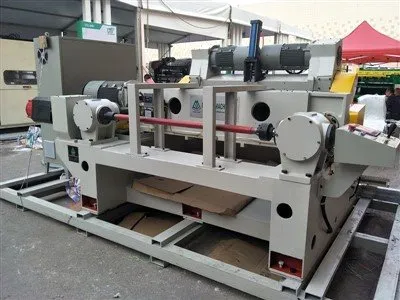
Rockwell Automation is an American company that provides industrial automation and information solutions. Their assembly line products and services are focused on improving productivity and efficiency.
Features and Advantages
- Integrated Architecture: Rockwell Automation offers an integrated architecture that combines control, visualization, and information technologies. This allows for seamless communication between different parts of the assembly line, improving overall system efficiency.
- Industrial Internet of Things (IIoT) Solutions: The company’s IIoT solutions enable real – time data collection and analysis from the assembly line. This helps manufacturers to make informed decisions, optimize production processes, and predict maintenance needs.
- Training and Support: Rockwell Automation provides comprehensive training and support services. They can train operators and maintenance staff to ensure the proper operation and maintenance of the assembly line.
10. Kawasaki Heavy Industries, Ltd.
Plywood Machines Kawasaki Heavy Industries is a Japanese multinational corporation with a diverse range of businesses, including industrial robots and assembly line equipment.
Features and Advantages
- Robust Robot Design: Kawasaki’s industrial robots are designed to be robust and reliable. They can operate in harsh industrial environments and handle heavy – duty tasks on the assembly line.
- Advanced Vision Systems: The company’s robots are often equipped with advanced vision systems. These systems can accurately detect and position components, improving the accuracy of the assembly process.
- Custom – Built Solutions: Kawasaki can provide custom – built assembly line solutions based on the specific needs of customers. They have the engineering capabilities to design and manufacture unique automation systems for different industries.
