Hey guys, let’s cut to the chase – I’ve spent over a decade in the food packaging bags game, and yeah, we sell plastic ones (don’t @ me, it’s still a huge part of the industry right now). But lately, I’ve been seeing way too many businesses and even casual shoppers gloss over the massive downsides of those flimsy plastic bags we all grab for takeout, produce, or leftover meal prep. I’m not here to bash my whole line of work, but as someone who’s dealt with real-world supply chain headaches, customer complaints, and even environmental audits, these are the hard truths no one talks about enough. Food Packaging Bags

First off, let’s talk food safety – and no, not that “plastic leaches into your soda” myth you see on random TikTok. I’m talking about the stuff that actually happens on the production floor and when these bags get misused. Most standard plastic food bags are made from low-density polyethylene (LDPE) or linear low-density polyethylene (LLDPE), right? Now, here’s the thing about these materials: they’re super cheap to make, but they’re not designed for high-heat environments. If you microwave a burrito in that standard plastic takeout bag (wait, don’t do that – I’ve seen a local café get an angry email last month because a customer’s bag melted onto their hot food, and the health inspector flagged it), the chemicals start breaking down. Not just random phthalates, but oligomers – those are tiny molecular fragments that can transfer onto food. The FDA has actually set limits on how much of that can touch food, but here’s the catch: most of these bags don’t label that they’re microwave-safe. A lot of small food businesses I work with don’t even know that – they just grab the cheapest bulk order because margins are tight. That leads to cross-contamination too. Plastic bags are porous, way more than people think. If you use the same bag for raw chicken and then toss in a loaf of bread, those juices can seep through the plastic, even if it looks intact. I had a grocery store client tell me last year that they saw a 20% jump in reported foodborne illness concerns when they switched to a new cheaper plastic bag – turns out the porosity was way higher than their old supplier’s, and raw meat juices were leaking into produce bags. No one connects that to the plastic bag, but I do, because I’m the one selling the damn things.
Next up is the environmental garbage that’s non-negotiable. Let’s stop with the “plastic bags are recyclable” lie for a second. Yeah, technically, some are, but the reality is only like 5% of all plastic food bags in the US actually get recycled. The rest end up in landfills, or worse, oceans and waterways. I remember a trip I took to a coastal town last summer – I was there for a packaging trade show, and I saw plastic bags tangled in seaweed, floating next to seagulls that had pecked at them. Here’s a stat I pulled for a sustainability report last quarter: a single plastic food bag can take up to 1,000 years to decompose. And when it does, it doesn’t just disappear – it breaks down into microplastics, tiny pieces smaller than a grain of sand that get eaten by fish, which then end up in our seafood. I had a client who does organic seafood shipments a few years back, and they had to stop using plastic bags for their products because their European buyers were rejecting shipments that tested positive for microplastics. That’s a real business hit, not just some tree-hugger complaint. And let’s talk about waste in the supply chain – plastic bags are lightweight, but they take up way more space than people think when they’re loose. A lot of warehouses have to use more labor to stack them, or they get blown around by wind, which is a huge mess. Last winter, a warehouse I work with had a whole pallet of plastic bags blow into a nearby field during a storm – they spent two days cleaning it up, lost like $800 worth of product, and had to pay a small fine for littering. That’s not a “the planet is sad” problem, that’s a money problem for my clients – and by extension, for me.
Wait, also – durability is a huge one that no one highlights enough. I know, I know, plastic bags are supposed to be convenient. But let’s be real: how many times have you picked up a grocery order, and the plastic bag split, spilling a dozen eggs all over the parking lot? Or you’re carrying leftovers home, and the handle breaks because the bag couldn’t hold the weight? I’ve had so many food trucks tell me that they go through twice as many bags as they should because they’re too thin to hold hot food, heavy meals, or even just a bunch of apples. The cheapest bags I sell might be 2 cents each, but when you factor in the waste from split bags, the cost of replacing spilled food, and the hassle with customers, that 2 cent bag is actually costing businesses way more in the long run. I had a taco shop client calculate that last year – switching from thin low-quality plastic bags to a slightly thicker (still plastic) bag cut their bag-related losses by 35%. I get why people want cheap, but the hidden costs are brutal.
Oh, and let’s not forget about regulatory headaches. More and more cities and countries are banning single-use plastic bags, or putting huge taxes on them. California’s bag tax is 10 cents per plastic bag, and some cities in Europe have bans that started last year. I had a client in Chicago last quarter who had to pull 20,000 plastic bags from their shelves because of the city’s new ban, and they had to rework all their packaging labeling, which cost them thousands. I’ve had to turn away a lot of small business clients lately because their city is phasing out plastic bags, and I can’t offer a plastic solution that works for them without them getting fined. That’s a big part of why I’m writing this – I want my customers to know the stuff I sell isn’t all sunshine and rainbows, even if it’s easy to grab.
Wait, I don’t want to sound like I’m bashing my own products, right? I sell them because there’s a need for flexible packaging for food – it’s light, it’s cheap for bulk, it keeps food fresh for a little while. But the downsides are so real, and a lot of the people buying them don’t even know about them. I talk to food business owners every day, and most of them just look at the price per bag and go “that’s the best deal” without thinking about food safety, hidden costs, or the environment. For example, that cheap thin bag might save you a penny per order, but if a customer gets sick, you’re looking at a lawsuit, bad Yelp reviews, and lost business. I’ve seen it happen to a pizza place a few years back – they used cheap plastic bags that leaked grease onto a customer’s car, leading to a fight, and then a health inspector found cross-contamination from the porous bags, and they had to close for a week.
So what does this mean for businesses? If you’re buying plastic food bags, you need to do more than just check the price. Ask about their food safety certifications – do they meet FDA or EU standards for food contact? Are they microwave-safe if that’s something you need? How thick are they, and what’s their load capacity to avoid splits? And if you’re in an area that’s phasing out single-use plastics, start looking at alternatives now – not just because of bans, but because your customers are asking for it. A lot of my clients that switched to compostable or paper bags didn’t get rid of plastic entirely, they just upgraded to better options that have less of these downsides.
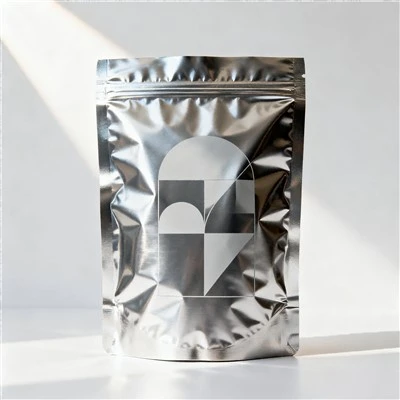
At the end of the day, I’m a supplier, but I’m also a real person who’s seen the good and bad of this industry. I don’t want to sell you something that’s going to give you headaches, cost you money, or hurt the planet. If you’re a food business owner or manager, and you want to talk about the right packaging solutions for your needs – whether you’re looking for plastic bags that are safer, more durable, or even transitioning to more sustainable options – hit me up. I’m here to listen, not just make a sale.
Vacuum Food Bags References:
- U.S. Environmental Protection Agency. (2022). Advancing Sustainable Materials Management: Facts and Figures Report.
- Food and Drug Administration. (2021). Food Contact Substances: Polyolefin Plastics.
- Ocean Conservancy. (2023). Annual Cleanup Report: Global Marine Debris Initiative.
- World Health Organization. (2022). Microplastics in Food and Water: Human Health Implications.
- National Restaurant Association. (2023). Food Packaging Trends and Cost Analysis for Independent Operators.
Shandong Yiming Plastic Products Co., Ltd.
As one of the most professional food packaging bags manufacturers in China, we’re featured by quality products and good price. Please rest assured to wholesale cheap food packaging bags made in China here from our factory. Customized orders are welcome.
Address: Opposite Tower Pole Factory,south of Hengliu road,Shunwang Sub-district,Zhucheng City,Weifang City,Shandong Province
E-mail: sdyiming16888@qq.com
WebSite: https://www.toppackingsolution.com/
