If you’ve ever been part of the logistics and heavy transport space, you know that moving bulk liquids or gases isn’t just hooking up a trailer and hitting the road. For decades, businesses have relied on a range of transport solutions, but tanker trailers have emerged as the go-to choice for nearly every sector that handles bulk liquid or gas cargo. As someone who’s spent 12 years in the tanker trailer supply business—working directly with farm operators, chemical plant managers, and food processing company owners—I’ve seen firsthand how these trailers aren’t just pieces of equipment; they’re tools that drive efficiency, safety, and profitability. Today, I want to break down the real, tangible advantages of using a tanker trailer, from how they streamline operations to how they protect your most valuable cargo. Tanker Trailer
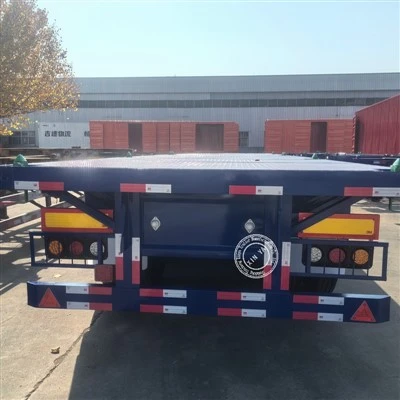
First, let’s talk about unmatched cargo capacity, which is the biggest driver of cost savings for any business moving bulk liquids. Unlike smaller transport options like drum carriers or single-compartment box trucks, tanker trailers are designed to maximize volume without compromising road safety. A standard semi-trailer tanker typically holds between 5,000 and 9,000 gallons, and specialized models can even hit 11,600 gallons for cross-country runs. That’s the equivalent of 200+ 55-gallon drums of cargo, all moved in one trip. For my clients in the agricultural sector, that means moving a full season’s worth of fertilizer or milk from the farm to processing plants in fewer trips. Last year, a dairy client of mine switched from smaller delivery trucks to our insulated stainless-steel tanker trailers, and they cut their annual transport costs by 28%—saving over $120,000 in fuel, labor, and maintenance. For chemical manufacturers, who often handle corrosive or high-volume industrial chemicals, that same capacity means fewer hours spent on scheduling routes, less wear and tear on your driver team, and lower per-gallon transport fees when negotiating rates with clients. It’s simple: more cargo per load directly translates to lower operational costs, and tanker trailers deliver that better than any alternative.
Next, the versatility of modern tanker trailers is something I see underrated all the time. When I first started in this business, tanker trailers were one-size-fits-all—good for water, maybe some non-corrosive chemicals, but not much else. Today, we build specialized tanker trailers for nearly every type of bulk liquid or gas, which means you don’t need a fleet of different trailers to handle all your transport needs. For food and beverage clients, we offer food-grade stainless-steel trailers that meet FDA and EU food safety standards, perfect for moving milk, juice, cooking oil, and even wine. For chemical companies, we have reinforced aluminum or carbon steel trailers with chemical-resistant liners that can handle everything from fertilizers to industrial solvents, with built-in safety features to prevent leaks during transport. For energy clients, we supply low-pressure tanker trailers for moving liquefied petroleum gas (LPG) and compressed natural gas (CNG), designed to withstand extreme temperature changes and road vibrations. Even for construction sites, we have water tanker trailers that can be fitted with spray systems to control dust, a huge help for large excavation projects. The best part? Many of our tanker trailers can be modified mid-life to handle new cargo types, so if your business expands into a new sector, you don’t have to buy a whole new fleet—just make a few adjustments. That flexibility is a game-changer for small and medium businesses that can’t afford to invest in multiple specialized transport solutions.
When it comes to cargo safety, tanker trailers are engineered to keep your product intact, which is non-negotiable for sectors where even a small spill can lead to disaster. Let’s start with spill prevention: tanker trailers have seamless, enclosed tanks that eliminate the gaps and seams you’d find in drum-based transport, where leaks often occur. We also equip every trailer with secondary containment systems, like internal baffles and pressure relief valves, to prevent both forward spillage and pressure buildup that can rupture tanks. For perishable goods like milk or juice, our insulated and refrigerated tanker trailers maintain a consistent temperature between 34 and 38 degrees Fahrenheit, even during 12-hour cross-country runs, preventing spoilage that would cost thousands in lost product. For corrosive chemicals, the specialized liners we use don’t react with the cargo, so you avoid contamination that could ruin a batch and lead to costly product recalls. I remember a client in the biofuel industry who used drum carriers before switching to our stainless-steel lined tanker trailers—they had two incidents of drum leaks that contaminated a full batch of biofuel, costing them $80,000 in losses in 2021. After switching, they haven’t had a single spill or contamination issue in three years. That level of protection isn’t just convenient—it’s a safeguard for your bottom line and your reputation.
Another huge advantage is regulatory compliance, something that keeps logistics managers up at night. Moving bulk liquids or gases means adhering to a mountain of federal, state, and local regulations, from DOT safety standards to food safety rules to environmental protection laws. Tanker trailers are built and inspected to meet these exact standards from the start, which means less red tape for your business. For example, all our trailers are designed to meet FMCSA (Federal Motor Carrier Safety Administration) requirements for load securement, weight distribution, and emergency response equipment. For food-grade trailers, we provide full documentation of material sourcing and manufacturing processes that meet FDA 21 CFR standards, so you can easily prove compliance during audits or inspections. For hazardous material transport, our tanker trailers are certified by the Department of Transportation (DOT) and carry all required placards and safety equipment, so your drivers stay compliant during route checks. I’ve had clients tell me that using non-specialized transport led to $15,000+ in fines in a single year for regulatory violations—costs that are completely avoidable with a purpose-built tanker trailer. When you invest in a quality tanker trailer, you’re not buying equipment; you’re buying peace of mind that you’re operating within the law.
Fuel efficiency is another often-overlooked advantage that adds up over time. Tanker trailers are built to aerodynamic standards, with curved tank designs that reduce wind resistance compared to box trucks or drum carriers. The weight distribution of a full tanker trailer is also optimized for fuel efficiency—by spreading the weight evenly across multiple axles, these trailers have lower rolling resistance than smaller, heavier delivery vehicles. In 2022, we worked with a logistics company that was moving bulk water for municipal projects; they switched from 2 small delivery trucks to a single tanker trailer for each route, and their monthly fuel bill dropped by 32%. That’s thousands of dollars back into their budget every year. For long-haul runs, the aerodynamic design of modern tanker trailers can improve fuel economy by up to 15% compared to older, less streamlined models, according to data from the American Trucking Associations. When fuel prices are as volatile as they’ve been in recent years, that kind of savings can make a huge difference in your overall profitability.
Durability and low long-term maintenance costs are also key reasons businesses stick with tanker trailers. These trailers are built to handle heavy loads, rough roads, and extreme weather, with frames made of high-strength steel that can last 20+ years with proper care. Unlike drum carriers, which require regular replacement of worn drums, and box trucks, which have high maintenance costs for their engines and cargo hold, tanker trailers have a simple, robust design that’s easy to repair. We offer pre-emptive maintenance programs for all our clients, where we schedule regular inspections to catch small issues before they become costly repairs, and many of our clients report that their tanker trailers have lower annual maintenance costs than any other type of transport equipment in their fleet. I had a client who’s had three of our tanker trailers in operation for over 18 years—they recently sold one, and it still passed its DOT inspection without any major repairs. That kind of longevity means a great return on investment; most clients recoup the cost of a new tanker trailer in 3 to 5 years, depending on usage.
Beyond the practical operational advantages, tanker trailers also offer improved driver safety, which is critical for any business that relies on a skilled driver team. Transporting bulk liquid comes with unique risks, like slosh loading—where cargo moves forward and backward during stops and turns, which can affect the stability of the trailer. Modern tanker trailers have internal baffles, which divide the tank into smaller compartments, reducing slosh and making the trailer easier to handle on the road. That means less chance of accidents, which is a win for both driver safety and your insurance rates. We also equip all our trailers with features like backup cameras, anti-lock braking systems (ABS), and stability control, which further reduce accident risk. For driver retention, these safety features make the job more appealing—drivers are less likely to be stressed about handling unstable loads, and that leads to lower turnover. In an industry where skilled drivers are hard to find, keeping your team safe and satisfied is a huge competitive advantage.
At the end of the day, the biggest advantage of using a tanker trailer is that it grows with your business. Whether you’re a small farm just starting to transport fertilizer, a mid-sized chemical manufacturer expanding your product line, or a large logistics company managing cross-country bulk deliveries, a tanker trailer adapts to your needs. Over my years in this business, I’ve seen too many businesses that try to cut corners with cheaper, non-specialized transport, only to end up with higher costs, safety risks, and regulatory headaches. Tanker trailers aren’t just a purchase—they’re an investment in the efficiency, safety, and long-term success of your operations.
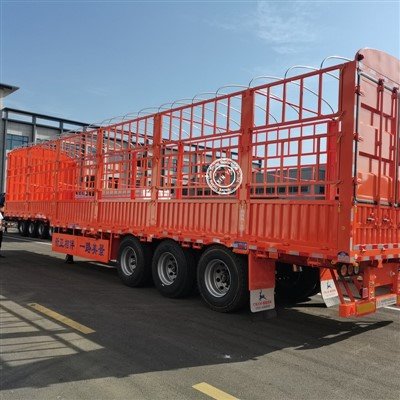
If you’re ready to learn how a tanker trailer can work for your specific business needs, we’re here to help. Whether you need advice on the right type of trailer for your cargo, information on financing options, or details on customization to match your operations, our team has the expertise to support you every step of the way. Reach out to our team to discuss your requirements and find the perfect solution for your transport needs.
Lowbed Trailer References
American Trucking Associations. (2022). Aerodynamic Efficiency in Commercial Trucking. American Trucking Associations.
U.S. Food and Drug Administration. (2023). Food-Grade Transport Equipment Standards. U.S. Department of Health and Human Services.
Federal Motor Carrier Safety Administration. (2021). Commercial Tanker Trailer Safety Regulations. U.S. Department of Transportation.
Shandong Yuncheng Xinya Trailer Manufacturing Co., Ltd.
Shandong Yuncheng Xinya Trailer Manufacturing Co., Ltd. is one of the most experienced tanker trailer manufacturers and suppliers in China, featured by quality products and good service. Please rest assured to buy CE approved tanker trailer from our factory. Contact us for customized service and OEM service.
Address: No. 008, Hexie Road, Yangzhuangji Town, Yuncheng County, Heze City, Shandong Province
E-mail: fiona@xinyatrailer.com
WebSite: https://www.china-truckfactory.com/
