If you’ve ever worked in a manufacturing plant, a warehouse, or any industrial facility, you know that plug and socket systems are the unsung workhorses keeping equipment, tools, and machinery running. But here’s the thing: most people—myself included, when I first started in this industry—don’t stop to think about what happens when those trusty plugs and sockets reach the end of their useful life. For years, our company supplied these components to facilities across the region, and we saw firsthand how improper disposal of industrial plug and socket waste leads to cluttered storage rooms, avoidable environmental harm, and even safety risks on job sites. Today, after a decade of working with industrial clients, testing new materials, and partnering with waste management experts, I want to share what we’ve learned about how to deal with this waste properly—no overcomplicated jargon, just real solutions that work for facilities of all sizes. Industrial Plug and Socket
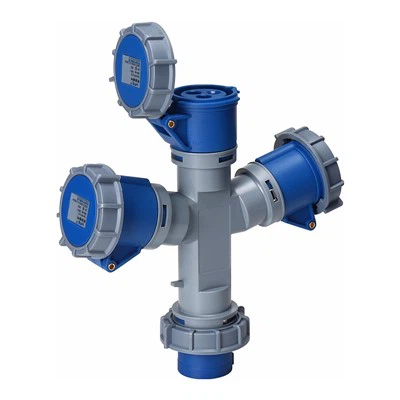
Let’s start with why industrial plug and socket waste is a bigger issue than it might seem at first glance. Unlike household plugs, which are small and made mostly of cheap plastic and copper, industrial versions are built to last: they’re thicker, often made with high-grade thermoplastics that can handle extreme temperatures and heavy use, and they have internal components like copper terminals, brass contacts, and sometimes even small amounts of lead or other metals to ensure conductivity. When these are thrown in the regular trash, they don’t just take up space in landfills—they leach chemicals into the soil and groundwater over time. Copper and brass, for example, are non-biodegradable, and heavy metals from internal parts can contaminate local ecosystems. What’s more, many industrial facilities accumulate large quantities of old plugs and sockets over months or years. I once visited a small fabrication shop that had a corner full of cracked sockets and frayed plugs, stacked in a corner because the owner didn’t know where else to put them. He told me he tried tossing them in the dumpster, but the waste company refused to take them after he mentioned they had metal parts. That’s a common problem: generic waste services often don’t have the protocols to handle mixed-material industrial e-waste, so these items get stuck in limbo until they become a fire hazard or someone finally hauls them to a landfill illegally.
Here’s the good news: dealing with industrial plug and socket waste isn’t as hard as it sounds, and there are steps you can take at every stage—from buying components to disposing of old ones—to minimize impact. The first step, which we always emphasize to our clients when we make a sale, is choosing durable, recyclable products in the first place. Not all plugs and sockets are created equal. Cheaper versions might use mixed plastics that are hard to separate for recycling, or internal components that are hard to extract. Over the years, our team has switched to sourcing plugs and sockets from manufacturers that use single-type thermoplastics for the outer casing—most often polypropylene or ABS, both of which are widely recyclable—and they design internal parts to be easily disassembled. For example, we now offer line of heavy-duty plugs where the casing snaps apart instead of being glued together, so you don’t have to cut through plastic to get to the copper terminals. It’s a small design change, but it makes a huge difference when it comes time to recycle. We also prioritize products with long lifespans, because a plug or socket that lasts 10 years instead of 5 reduces waste before it even starts. One of our automotive plant clients switched to our longer-lasting line two years ago, and they’ve cut their annual plug and socket waste by 35%—that’s money they’re not spending on replacements, plus less waste to dispose of.
Once you have the right products, the next step is setting up a system to track and collect old plugs and sockets when they’re no longer usable. A lot of facilities I work with don’t have a dedicated place to store old components, so they get mixed in with general waste, scrap metal, or even hazardous materials. That’s why we recommend setting up a simple, labeled collection bin system. We provide our clients with free heavy-duty bins, clearly marked “Industrial Plug and Socket Waste,” to place in tool rooms, near equipment bays, and in maintenance areas. The rule is: no other waste goes in these bins—just old, broken plugs and sockets. We also work with maintenance teams to do regular audits every quarter: when they replace worn plugs or sockets, they remove the old ones and drop them in the bin instead of throwing them away. One of our warehouse clients used to let their maintenance team throw old plugs in with scrap metal, and that meant the plastic casings were contaminated with metal shavings, making them impossible to recycle. After we installed the collection bins and held a quick 15-minute training for the team, their recyclable plug waste went from 0% to 80% in six months. It’s amazing what a small, consistent system can do.
Now, when the bins are full, you need to have a plan for recycling or properly disposing of that waste. This is where a lot of facilities get stuck. Regular recycling programs won’t take mixed plastic-metal items, and municipal waste services often can’t handle them. That’s why we’ve partnered with a local specialized e-waste recycling facility to offer a take-back program for our clients. Here’s how it works: once a client’s collection bin is full, they give us a call, and we send a truck to pick up the waste for free. We drop it off at our partner facility, where they have the equipment to separate the plastic casings from the copper and brass internal parts. The plastic is cleaned, melted down, and turned into new plastic products, while the metals are melted and reused in manufacturing. We’ve found that this take-back program works for all types of industrial facilities, from small machine shops to large manufacturing plants. Last year, we collected over 2,000 pounds of old plugs and sockets through this program, and nearly 90% of that was recycled instead of going to landfills.
But what if you can’t use our take-back program, or you don’t have a specialized e-waste recycling facility in your area? There are other options. Many scrap metal yards will take the metal parts out of old plugs and sockets, even if they don’t take the plastic. If you have a maintenance team with basic tools, they can easily pry open the casing of most modern plugs and sockets to extract the copper terminals—we’ve posted a free step-by-step guide on our website that shows how to do it in under two minutes. The plastic casings can then be taken to a local plastic recycling center, though we recommend calling ahead to confirm they accept that type of thermoplastic. If you have a large volume of waste and none of these options work, check with your local environmental agency—many regions have facilities that accept industrial e-waste for proper disposal, often at a low cost or no cost for small businesses. The key here is to avoid illegal dumping: even a few bags of old industrial plugs and sockets thrown in a random dumpster can lead to fines for your facility, plus environmental harm.
I want to be honest here: dealing with industrial plug and socket waste isn’t just about following rules—it’s about being responsible, and it’s good for business too. When we talk to clients about our solutions, some worry that recyclable products might be more expensive, but we’ve found that the long-term savings add up. Less waste means less money spent on landfill fees, fewer replacements because products last longer, and reduced risk of safety issues. Old, broken plugs can be a fire hazard—frayed cords or exposed terminals are a common cause of electrical fires in industrial facilities. Properly collecting and replacing those old components reduces that risk, making your workplace safer for everyone.
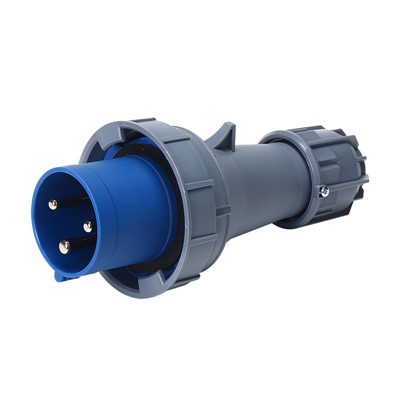
Another thing we’ve learned is that small changes make a big impact. We recently worked with a small fabrication shop that only had 50 old plugs to dispose of. Instead of just tossing them, they followed our guide to separate the metal and plastic, and they sold the copper parts to a local scrap yard for $20—enough to buy a few new tools. It’s not a huge amount of money, but it’s a win: they kept those materials out of landfills, made a little extra cash, and learned a new skill. That’s the kind of change we love seeing, because it’s accessible to everyone, no matter the size of their facility.
Panle Mount Industrial Plug At the end of the day, we don’t just sell industrial plugs and sockets—we’re in the business of helping facilities keep their workplaces safe and sustainable. If you’re tired of dealing with old plug and socket waste that you don’t know what to do with, or if you want to switch to more durable, recyclable products for your facility, we’re here to help. Our team can walk you through our take-back program, send you free collection bins, and even host a quick on-site training for your maintenance team to make sure everyone is on the same page. Whether you’re a small business owner with a handful of tools or a large manufacturing plant with hundreds of pieces of equipment, we have solutions that fit your needs. Don’t let old industrial plug and socket waste take up space in your facility or harm the environment—reach out to our team to start a conversation about how we can work together to handle this waste properly, and make your workplace safer and more sustainable.
References
- United States Environmental Protection Agency. (2022). Industrial E-Waste Management: A Guide for Small and Medium Businesses. EPA 530-F-22-004.
- International Electrotechnical Commission. (2021). Recycling Protocols for Low-Voltage Electrical Components. IEC 62635:2021.
- National Institute for Occupational Safety and Health. (2020). Electrical Safety in Industrial Settings: Reducing Fire Hazards from Worn Plug and Socket Systems. NIOSH Publication 2020-105.
- Plastic Industry Association. (2023). Recyclability of Thermoplastics Used in Industrial Electrical Components. PIAC Technical Bulletin TB-018.
Zhejiang Hefeng Electric Co., Ltd.
Zhejiang Hefeng Electric Co., Ltd. is one of the most professional industrial plug and socket manufacturers and suppliers in China, featured by quality products and low price. Please rest assured to buy durable industrial plug and socket made in China here from our factory. Also, OEM service is available.
Address: Wenzhou Daqiao Industrail Park, Beibaixiang Town, Yueqing City, Zhejiang Province, China
E-mail: hefengplug@chinahfe.com
WebSite: https://www.hfcee.com/
