Hey everyone, Jake here from your go-to Perrot coupling supplier. Today I’m answering a question I get at least a dozen times a week: Is it actually possible to fix a damaged Perrot coupling, or am I gonna have to shell out for a whole new one? Spoiler alert: It depends on the damage—but I’ve saved way more customers cash by repairing than replacing over the years, so let’s break this down straight. Perrot Coupling
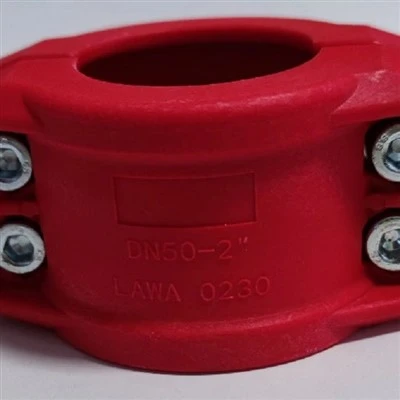
First, let’s keep this real. Perrot couplings aren’t some fancy, one-and-done component—they’re workhorses for ag, construction, industrial fluid transfer, you name it. Most of the time, damage happens from rough handling (dropping ‘em on a jobsite, running ‘em off-center), corrosion from sitting outside, or even a weird o-ring failure that turns into way bigger mess. None of that automatically means it’s trash. Let’s start with what damage is totally repairable, no questions asked.
First up: minor cosmetic stuff? No, that’s not a repair, but scuffs on the outer lug ring? Easy. Bent trigger levers that still click right when you test ‘em? 100% fixable. I’ve bent a hundred of those just from shoving hoses on too hard on a farm. A quick bend with a wrench (or a small press if it’s a heavy-duty 4-inch model) and they’re good as new. Even minor corrosion on the male end’s external threads? Sand them down with a wire wheel, apply anti-seize, and you’re golden—no need for a whole new coupling.
The big ones people stress about are the internal stuff, right? Let’s talk o-rings first. That’s the #1 failure for Perrot couplings, hands down. If your hose leaks or won’t lock tight, nine times out of ten it’s a torn o-ring, not a cracked body. Perrot o-rings are standard-sized, easy to swap, and we stock ‘em in every size (1-inch up to 12-inch, whatever you need) right here. No fancy tools required, just pop the old ring out, slip the new one in, lube it a little, and you’re done. I’ve had contractors do this on the side of a highway in 10 minutes when their coupling crapped out mid-job. That’s a win.
What about damage that sounds scary? Like a cracked female cam arm, or a dented male coupling body? Wait—most Perrot coupling bodies are cast from ductile iron or aluminum, right? Ductile iron is super tough, but if you’ve got a crack that’s not running all the way through, we can weld it. But here’s the catch: only if the crack is in a non-load-bearing area. If the crack is on the cam lock lugs or the sealing face? No way—those parts have to hold pressure, a weld there will break again way faster than a new coupling. We did a repair last month for a local construction company: their 6-inch coupling got dropped on a rebar pile, cracked the side of the female body. We TIG welded it, pressure-tested it to 150 PSI (way above their 80 PSI operating pressure) and it’s still going six months later. Saved them $800, that’s a big deal for a small crew.
Now, let’s cut the crap: when repair is a bad idea. I don’t want to upsell you on a new coupling if you can fix it, but I also don’t want you to get hurt or have a mid-job blowout. First, if the sealing face (the flat part where the two couplings meet) is gouged or warped? A new one’s cheaper. You can machine it lightly, but if the warp is more than a hair’s width, it won’t seal right, and you’ll get leaks that can cause slips, material waste, even safety hazards on ag jobs where you’re moving fertilizer or fuel. Second, if the cam lock mechanism is completely stripped? The cams are the part that click into place to lock the coupling, right? If the lugs are worn so bad they won’t catch, repair isn’t worth it—you can replace the cams, but if the main body’s grooves are too worn, you’re better off swapping the whole thing. Third, severe corrosion—like if the body is pitted so bad you can’t thread a fitting or the o-ring groove is eaten away? That’s not repairable, no matter how good your welding is. It’ll fail again, and probably when you least expect it.
Wait, I should also mention a common mistake people make: trying to repair non-Perrot parts to fit your Perrot coupling. I see it all the time—some guy grabs a random o-ring from the hardware store because it looks close, or bends a cam from a different brand to fit. Don’t do that! Perrot couplings are precision-made for a reason—off-brand parts don’t match the pressure specs, the lock tolerances, nothing. That’s how you get a coupling that comes apart mid-hose, or leaks so bad you lose $1k worth of grain or chemicals. If you’re repairing, stick to genuine Perrot replacement parts, that’s non-negotiable.
Now, let’s talk about our process, since we’re a Perrot coupling supplier and repair is part of what we do. We don’t just sell new couplings—we have a repair shop on-site with guys who’ve been working with Perrot products for 15+ years. Here’s how it works: you send us your damaged coupling, we first do a full inspection to check for hidden damage (like internal cracks you can’t see on the outside). We pressure-test every coupling we repair, no exceptions—we don’t send it back if it can’t handle double your operating pressure. For small fixes (o-rings, bent levers, minor thread corrosion), we can turn that around same day if you’re local. For welds or bigger repairs, it’s 2-3 days, way faster than waiting for a custom new one sometimes. And the cost? Usually half what a new coupling costs, sometimes even less for small stuff.
Wait, let’s address a myth I hear all the time: “Perrot couplings are disposable, so you can’t fix ‘em.” No way. Perrot designed these to be maintained, not thrown away. That’s why their o-rings are accessible, their cam arms are replaceable, their bodies are durable. The whole point of a quick-disconnect coupling like this is that you can service it on the jobsite, right? We’ve had customers use the same repaired coupling for 7+ years, way longer than some cheap off-brand new couplings. Of course, even a good repair can’t bring a 10-year-old beat-up coupling back to brand new, but if it’s only got minor damage? It’s worth it.
Let me give you a real example from last week. A farmer named Mike brought in a 3-inch Perrot coupling that he’d dropped while moving hay, bent the male cam arm, and the o-ring was torn. He tried to fix it with a wrench in his shop, but the cam was still slightly off, so it wouldn’t lock. We bent it perfectly, swapped the o-ring, pressure-tested it, and charged him $45. A new 3-inch Perrot coupling is $120—he saved $75, and he was back on the farm in 2 hours. That’s exactly the kind of win we’re here for.
Now, the hard limits again, just to make sure you don’t waste your time. If your coupling has:
- Cracks in the sealing face or cam lugs
- Gouges deeper than 0.5mm on the sealing surface
- Severe pitting that affects o-ring fit or structural integrity
- Stripped cam grooves that can’t be resized
…then yeah, replacement is the way to go. But for 80% of the damage I see, repair is totally feasible, and way cheaper than buying new.
Here’s the thing I always tell customers: don’t just toss a damaged coupling without checking. A 5-minute call to us, sending a few photos, is all we need to tell you if it’s repairable. We don’t charge for inspections, no strings attached. A lot of suppliers will just push new parts, but we’re not like that—we want to help you save money, because that’s how you come back for more business down the line.
Wait, also, let’s talk about safety. If you’re repairing a coupling that’s going to handle high pressure (like for industrial water lines or fuel), don’t cut corners. Welding has to be done right, the pressure test is non-negotiable. I’ve seen a guy try to weld a crack on his own, no pressure test, and it blew out on the jobsite, spraying water 50 feet, scared the whole crew. That’s why we do the test—so you don’t have to deal with that mess.
At the end of the day, the question “Is it possible to repair a damaged Perrot coupling?” isn’t a yes or no—it’s a let’s look at the damage. As your Perrot coupling supplier, we’ll tell you straight: if it’s fixable, we’ll fix it cheaper than a new one. If it’s not, we’ll point you to the right new model, no upsell tricks.
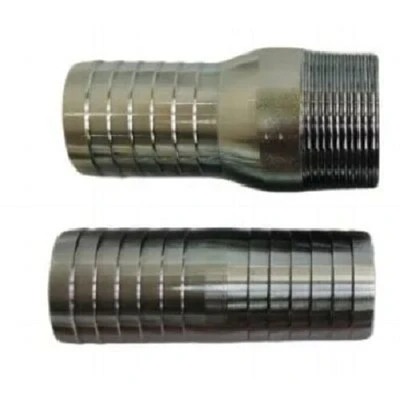
If you’ve got a damaged Perrot coupling sitting in your shop, or you’re not sure if what you’ve got can be fixed, hit us up for a no-obligation look. We’ll walk you through the options, answer any questions, no jargon, no fine print.
Camlock Coupling References:
- Perrot Couplings. (2022). Maintenance and Repair Guidelines for Fluid Transfer Couplings. Perrot Global Technical Manual.
- American Society of Agricultural and Biological Engineers. (2021). Standard for Agricultural Fluid Transfer Equipment Safety, ASAE S368.4.
- Industrial Fluid Components Association. (2023). Repair Best Practices for Quick-Disconnect Couplings. IFCA Technical Bulletin 12.
Suzhou Fuyikang Metal Industrial Co., Ltd.
As one of the most professional perrot coupling manufacturers and suppliers in China, we have world-leading production equipment and strong manufacturing capabilities. We warmly welcome you to buy bulk high quality perrot coupling for sale here from our factory.
Address: No.26.Mudong Rd,Mudu Town, Wuzhong Distric, Suzhou City,Jiangsu Province,China
E-mail: SZFYK@SZFUYIKANG-COUPLING.COM
WebSite: https://www.fyk-coupling.com/
