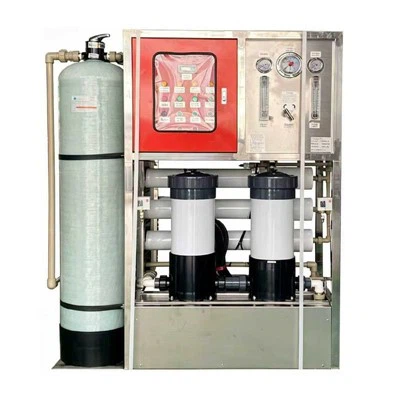
As a supplier of membrane filtration equipment, I understand the critical importance of accurately measuring the performance of our products. Membrane filtration is a widely used technology in various industries, including water treatment, food and beverage, pharmaceutical, and chemical processing. The efficiency and effectiveness of membrane filtration equipment directly impact the quality of the final product, production costs, and overall operational efficiency. In this blog, I will share some key methods and parameters for measuring the performance of membrane filtration equipment. Membrane Filtration Equipment
1. Flux Measurement
Flux is one of the most fundamental performance indicators of membrane filtration equipment. It refers to the volume of fluid that passes through the membrane per unit area and per unit time, usually expressed in liters per square meter per hour (L/m²·h) or gallons per square foot per day (GFD). Flux measurement provides insights into the membrane’s permeability and the rate at which filtration occurs.
To measure flux, you need to know the flow rate of the filtrate and the effective membrane area. The flow rate can be measured using a flow meter installed in the filtrate line. The effective membrane area is the actual area of the membrane that is in contact with the feed solution and contributes to the filtration process. Once you have the flow rate and membrane area, you can calculate the flux using the following formula:
Flux (J) = Flow rate (Q) / Membrane area (A)
For example, if the flow rate of the filtrate is 100 L/h and the effective membrane area is 1 m², the flux would be 100 L/m²·h.
Monitoring flux over time is crucial for assessing the performance of the membrane filtration equipment. A decrease in flux may indicate membrane fouling, which is the accumulation of particles, colloids, or solutes on the membrane surface or within its pores. Fouling can reduce the membrane’s permeability and increase the resistance to fluid flow, leading to a decline in filtration efficiency. Regular flux measurements can help detect fouling early and allow for timely cleaning or replacement of the membrane.
2. Rejection Rate
The rejection rate is another important performance parameter that measures the ability of the membrane to retain specific components in the feed solution while allowing the passage of others. It is usually expressed as a percentage and is calculated based on the concentration of the target component in the feed solution and the filtrate.
The rejection rate (R) can be calculated using the following formula:
R = [(C_f – C_p) / C_f] × 100%
where C_f is the concentration of the target component in the feed solution, and C_p is the concentration of the target component in the filtrate.
For example, if the concentration of a particular solute in the feed solution is 100 mg/L and the concentration in the filtrate is 10 mg/L, the rejection rate would be:
R = [(100 – 10) / 100] × 100% = 90%
The rejection rate depends on several factors, including the membrane’s pore size, surface charge, and chemical properties, as well as the size, shape, and charge of the target components in the feed solution. Different types of membranes are designed to have different rejection characteristics for specific applications. For example, reverse osmosis membranes are typically used to achieve high rejection rates for salts and other small molecules, while ultrafiltration membranes are more suitable for separating larger macromolecules and colloids.
Measuring the rejection rate is essential for ensuring the quality of the filtrate and meeting the requirements of the specific application. By accurately assessing the rejection performance of the membrane, you can determine whether the equipment is capable of achieving the desired separation and purification goals.
3. Pressure Drop
Pressure drop is the difference in pressure between the feed side and the filtrate side of the membrane filtration equipment. It is an important parameter that reflects the resistance to fluid flow through the membrane and the membrane module. Monitoring the pressure drop can provide valuable information about the condition of the membrane and the efficiency of the filtration process.
The pressure drop (ΔP) can be measured using pressure gauges installed on the feed and filtrate lines. A sudden increase in pressure drop may indicate membrane fouling, blockage in the membrane module, or a problem with the feed pump or other components of the system. On the other hand, a decrease in pressure drop may suggest a leak in the system or a change in the operating conditions.
To maintain optimal performance, it is important to keep the pressure drop within a certain range. Excessive pressure drop can lead to increased energy consumption, reduced flux, and potential damage to the membrane. Regular monitoring of the pressure drop allows for timely adjustment of the operating conditions, such as increasing the feed flow rate or backwashing the membrane, to prevent fouling and ensure efficient operation.
4. Membrane Integrity Testing
Membrane integrity testing is a crucial step in ensuring the reliable performance of membrane filtration equipment. It is used to detect any defects or leaks in the membrane that could compromise the separation efficiency and the quality of the filtrate. There are several methods for membrane integrity testing, including pressure decay testing, bubble point testing, and diffusion testing.
- Pressure Decay Testing: This method involves pressurizing the membrane module with a gas or liquid and monitoring the pressure drop over a specific period. If there is a significant pressure drop, it indicates the presence of a leak in the membrane.
- Bubble Point Testing: Bubble point testing is based on the principle that a gas will start to bubble through a wet membrane when the pressure exceeds a certain critical value. By gradually increasing the pressure and observing the appearance of bubbles, you can determine the bubble point of the membrane, which is related to the largest pore size in the membrane. A lower bubble point may indicate the presence of larger pores or defects in the membrane.
- Diffusion Testing: Diffusion testing measures the rate of diffusion of a gas or solute through the membrane. A higher diffusion rate may suggest the presence of defects or a decrease in the membrane’s integrity.
Regular membrane integrity testing is essential for ensuring the long-term performance and reliability of the membrane filtration equipment. By detecting and repairing any membrane defects early, you can prevent the passage of contaminants into the filtrate and maintain the quality of the final product.
5. Chemical Oxygen Demand (COD) and Total Organic Carbon (TOC) Analysis
In applications where the removal of organic compounds is a primary goal, such as water treatment and wastewater treatment, measuring the Chemical Oxygen Demand (COD) and Total Organic Carbon (TOC) of the feed solution and the filtrate can provide valuable information about the performance of the membrane filtration equipment.
COD is a measure of the amount of oxygen required to chemically oxidize the organic compounds in a water sample. TOC, on the other hand, measures the total amount of carbon present in the organic compounds in the sample. By comparing the COD and TOC values of the feed solution and the filtrate, you can determine the removal efficiency of the organic compounds by the membrane filtration process.
A significant reduction in COD and TOC values in the filtrate indicates that the membrane is effectively removing the organic contaminants from the feed solution. However, it is important to note that the performance of the membrane in removing organic compounds may be affected by factors such as the type and concentration of the organic compounds, the membrane’s material and pore size, and the operating conditions.
Conclusion
Accurately measuring the performance of membrane filtration equipment is essential for ensuring its efficient operation, maintaining the quality of the final product, and optimizing production costs. By monitoring key parameters such as flux, rejection rate, pressure drop, membrane integrity, and COD/TOC, you can detect any performance issues early and take appropriate measures to address them.
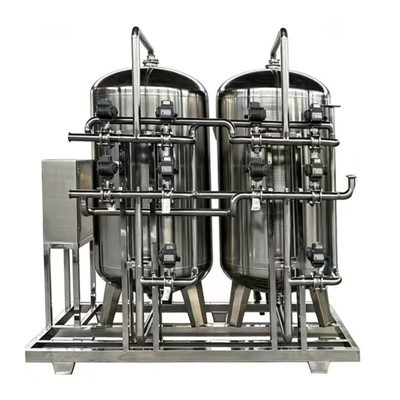
Reverse Osmosis Water System As a supplier of membrane filtration equipment, we are committed to providing our customers with high-quality products and comprehensive technical support. If you have any questions or need further information about measuring the performance of our membrane filtration equipment or are interested in purchasing our products, please feel free to contact us. We look forward to discussing your specific needs and helping you find the most suitable membrane filtration solution for your application.
References
- Cheryan, M. (1998). Ultrafiltration and Microfiltration Handbook. Technomic Publishing Company.
- Mulder, M. (1996). Basic Principles of Membrane Technology. Kluwer Academic Publishers.
- Rosenberg, M. (2002). Membrane Filtration. John Wiley & Sons.
Shandong Yanuo Environmental Protection Equipment Co., Ltd.
We’re well-known as one of the leading membrane filtration equipment manufacturers and suppliers in China, featured by quality products and good price. Please rest assured to buy bulk membrane filtration equipment made in China here from our factory. Customized orders are welcome.
Address: North Side of the Road, 1,000 Meters West of the Intersection of Fenghuangshan West Road and Provincial Highway S102, Wangfu Subdistrict, Qingzhou City, Weifang City, Shandong Province.
E-mail: ynhb.499973983@gmail.com
WebSite: https://www.zkyaruo.com/
