Hey there! I’m a supplier of Multi Function Meters, and I often get asked about the installation requirements for these nifty devices in electrical panels. So, I thought I’d share some insights to help you get the most out of your installation process. Multi Function Meter
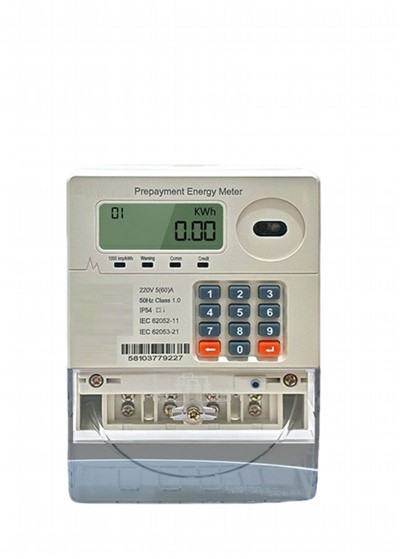
Understanding the Basics
Before we dive into the nitty – gritty of installation requirements, let’s quickly go over what a Multi Function Meter (MFM) actually is. MFMs are versatile instruments that can measure multiple electrical parameters like voltage, current, power, energy, and frequency all in one go. They’re super useful for monitoring and managing electrical systems, whether it’s in a small commercial building or a large industrial facility.
Location, Location, Location
The first thing you need to think about when installing a MFM is where in the electrical panel it’s going to go. You want to pick a spot that’s easily accessible for maintenance and reading the meter. It should also be away from any high – heat sources like transformers or large resistors because excessive heat can mess with the accuracy of the meter.
Make sure there’s enough space around the MFM. You need at least a few inches of clearance on all sides to allow for proper ventilation. Overheating can cause the meter to malfunction, so good airflow is key. Also, avoid placing it near any components that generate a lot of electromagnetic interference (EMI), like motors or contactors. EMI can disrupt the signals the MFM is trying to measure and lead to inaccurate readings.
Mounting the Meter
Most MFMs come with a mounting kit that includes brackets and screws. You’ll want to mount the meter securely to the panel. Use a level to make sure it’s straight; a crooked meter not only looks bad but can also cause issues with the connections.
The mounting surface should be flat and sturdy. If the panel has any uneven spots, you might need to use shims to level it out. Once you’ve got the meter in place, tighten the screws just enough so that the meter is firmly attached but not so tight that you crack the housing.
Electrical Connections
Now, let’s talk about the electrical connections. This is where things can get a bit tricky, so pay close attention.
Voltage Connections
For voltage connections, you’ll need to connect the MFM to the appropriate voltage sources in the panel. Usually, you’ll have three – phase systems, so you’ll connect to each of the three phases. Make sure to use the right gauge of wire for the voltage level you’re working with. If the wire is too thin, it can overheat and cause a fire hazard.
When making the connections, strip the wire ends carefully to expose just enough copper for a good connection. Then, insert the wire into the terminal block on the MFM and tighten the terminal screws. Double – check that all the connections are tight; loose connections can lead to arcing, which is not only a safety risk but can also damage the meter.
Current Connections
Current connections are a bit different. You’ll typically use current transformers (CTs) with the MFM. CTs are used to step down the high currents in the electrical system to a level that the MFM can handle.
First, you need to select the right CTs for your application. The CT ratio should match the expected current in the circuit. For example, if you expect a maximum current of 100 amps in a circuit, you’d choose a CT with a ratio like 100:5.
Once you’ve got the CTs, install them around the conductors. Make sure the CTs are installed in the right direction; there’s usually a marking on the CT to show which way it should face. Then, connect the CT secondary leads to the MFM. Again, use the correct gauge of wire and make sure the connections are tight.
Grounding
Grounding is a crucial part of the installation. A proper ground connection helps protect the meter from electrical surges and ensures accurate readings. Connect the grounding terminal of the MFM to the panel’s grounding bus. Use a dedicated grounding wire of the appropriate size.
The grounding wire should be short and straight as much as possible. Avoid any sharp bends or kinks in the wire, as these can increase the resistance and reduce the effectiveness of the grounding.
Configuration
After you’ve got the MFM physically installed and all the electrical connections made, you need to configure it. This involves setting parameters like the CT ratio, voltage level, and the measurement units you want to use.
Most MFMs come with a built – in display and a menu system that allows you to make these configurations. Follow the manufacturer’s instructions carefully. It’s a good idea to write down the settings you’ve made in case you need to refer back to them later.
Testing
Once the configuration is done, it’s time to test the MFM. Power up the electrical panel and check the meter’s display to see if it’s showing the correct readings. Compare the readings on the MFM with other known – good meters or reference values in the system.
If the readings are way off, double – check all the connections and the configuration settings. It could be something as simple as a loose wire or an incorrect CT ratio setting.
Maintenance
Even after a successful installation, you need to perform regular maintenance on the MFM. This includes cleaning the meter’s display and checking the connections for tightness. Over time, vibrations and temperature changes can cause the connections to loosen.
Also, keep an eye on the meter’s performance. If you notice any sudden changes in the readings or if the meter starts acting up, it could be a sign of a problem. In that case, it’s best to consult the manufacturer’s troubleshooting guide or give us a shout.
Why Choose Our Multi Function Meters
Our MFMs are top – notch. They’re designed with the latest technology to provide accurate and reliable measurements. We offer a wide range of models to fit different applications, whether you’re dealing with a small single – phase system or a large three – phase industrial setup.

Our meters are also easy to install and configure. We provide detailed installation guides and excellent customer support to make sure you have a smooth installation process. And with our competitive pricing, you get great value for your money.
Electronic Energy Meter If you’re in the market for a Multi Function Meter for your electrical panel, we’d love to talk to you. Whether you have questions about the installation requirements or want to discuss which model is right for your needs, don’t hesitate to reach out. We’re here to help you make the best decision for your electrical monitoring and management needs.
References
- Electrical Installation Handbook, Schneider Electric
- National Electrical Code (NEC)
- Manufacturer’s Manuals for Multi Function Meters
Zhejiang Qunte New Energy Technology Co., Ltd.
As one of the most professional multi function meter manufacturers in China, we’re featured by quality products and good price. Please rest assured to buy discount multi function meter made in China here from our factory. We also accept customized orders.
Address: No. 56, Fengxi Road, Tang’ao Yu Village, Liushi Town, Yueqing City, Wenzhou City, Zhejiang Province
E-mail: 251951196@qq.com
WebSite: https://www.zjqtmeter.com/
