Hey there, fellow cat owners and pet enthusiasts! I’m the supplier of cassava cat litter, and I often get asked, "Can cassava cat litter be reused?" Today, I’m going to dive deep into this question and share some insights with you. Cassava Cat Litter
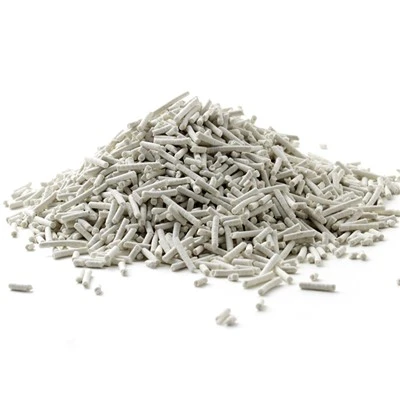
First off, let’s talk about what cassava cat litter is. Cassava cat litter is made from the starch of the cassava root. It’s a natural, biodegradable alternative to traditional clay-based cat litters. One of the big advantages of cassava cat litter is that it’s eco – friendly. Cassava is a renewable resource, and when it breaks down, it doesn’t leave behind harmful chemicals in the environment.
Now, back to the main question. Can you reuse cassava cat litter? Well, it’s a bit of a mixed bag.
The possibility of reuse
In some cases, you can reuse cassava cat litter to a certain extent. If your cat has only urinated in the litter, and you’ve been using a scoop to remove the clumps regularly, you might be able to get a few more days of use out of it. Cassava cat litter forms nice, tight clumps when it comes into contact with urine. Once you scoop out the clumped parts, the remaining litter can still be functional for a short period.
The key here is to keep an eye on the odor. As long as the litter box doesn’t start to smell too bad, you can probably continue using the remaining non – clumped litter. You can also add a thin layer of fresh cassava cat litter on top to help with odor control and absorbency.
Another factor that affects the reusability is the number of cats using the litter box. If you have only one cat, the litter is likely to stay cleaner for longer compared to a situation where multiple cats are using the same box. One cat produces less waste, so there’s less soiling of the litter overall.
Limitations of reuse
However, there are definite limitations to reusing cassava cat litter. If your cat has defecated in the litter, reusing it becomes a much riskier proposition. Feces contain a lot of bacteria, and even if you remove the solid waste, there may still be bacteria left behind in the litter. Keeping soiled litter around for too long can lead to bad odors and potentially unhealthy conditions for your cat.
Moreover, over time, the absorbency of cassava cat litter decreases with reuse. Each time the litter comes into contact with urine or feces, its ability to absorb moisture and trap odors is reduced. As a result, the litter may not clump as well, and it may start to emit a stronger smell even after regular scooping.
And let’s not forget about hygiene. Cats are clean animals, and they prefer a clean litter box. If the litter becomes too dirty or smelly, your cat may start to avoid using the litter box, which can lead to all sorts of behavioral problems. So, even if you can technically reuse the litter, it’s important to consider your cat’s well – being.
How to determine when to stop reusing
So, how do you know when it’s time to toss out the old cassava cat litter and start fresh? Here are a few signs to look out for:
- Odor: If you start to notice a strong, unpleasant smell coming from the litter box, even right after scooping, it’s a good indication that the litter has reached the end of its useable life.
- Clumping ability: If the litter doesn’t form tight clumps anymore when your cat urinates, it means that its absorbency is compromised, and it’s time for a change.
- Visible dirt: If the litter looks visibly dirty, with lots of small particles of feces or urine stains that you can’t scoop out effectively, it’s time to replace it.
Pro tips for getting the most out of cassava cat litter
Even if you can’t reuse cassava cat litter indefinitely, there are some things you can do to make it last longer and get the best value for your money.
- Regular scooping: This is the most important thing. Scoop out the clumps and solid waste at least once or twice a day. The more frequently you scoop, the cleaner the litter will stay, and the longer it will be useable.
- Use a litter mat: Place a litter mat outside the litter box. This will help catch any litter that your cat tracks out, so you don’t have to replace as much litter due to spillage.
- Proper storage: Store your unused cassava cat litter in a cool, dry place. Exposure to moisture can break down the litter and reduce its effectiveness.
Conclusion
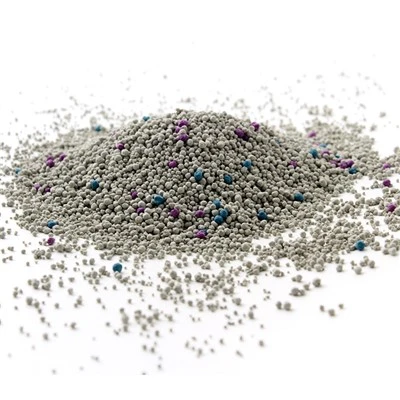
In conclusion, while you can reuse cassava cat litter in some situations, it’s not something you can do indefinitely. It’s important to balance the desire to save money and be eco – friendly with your cat’s health and comfort. By following the tips I’ve shared, you can make the most of your cassava cat litter and ensure a clean and pleasant environment for your furry friend.
Tofu Cat Litter If you’re interested in trying out our high – quality cassava cat litter or have any questions about it, don’t hesitate to reach out. Whether you’re a small – scale pet owner or a retailer looking for a great product to stock, we’ve got you covered. Let’s start a conversation about your cat litter needs, and I’m sure we can find the right solution for you.
References
- "The Basics of Cat Litter Selection" – A handbook on feline care
- "Renewable Resources in Pet Products" – An industry research paper on sustainable pet products
Qingdao Ray Pet Products Co., Ltd.
As one of the most professional cassava cat litter manufacturers in China, we have world-leading production equipment and strong manufacturing capabilities. Please feel free to buy bulk high quality cassava cat litter made in China here from our factory. Good service and low price are available.
Address: B401 Zhongtie Qingdao Plaza No.385, Dunhua Road, Qingdao, Shandong Province, China
E-mail: Karen.liu@ray-pet.com
WebSite: https://www.ray-pet.com/
