If you’ve ever stood in a hallway of a commercial building, running a hand over a heavy fire-rated door and wondering how it balances the need to lock securely with the non-negotiable rule of stopping fire from spreading, you’re not alone. As a mortise lock body supplier, I get asked this question all the time—usually by architects, facility managers, or even locksmiths who’ve encountered a last-minute failed inspection because they picked the wrong lock. The truth is, installing a mortise lock in a fire-rated door isn’t just about finding a lock that fits; it’s about meeting strict, standardized requirements that have been crafted over decades of testing to save lives. Let’s break down exactly what you need to know, from my perspective as someone who’s shipped these components to job sites across North America for over 12 years. Mortise Lock Body
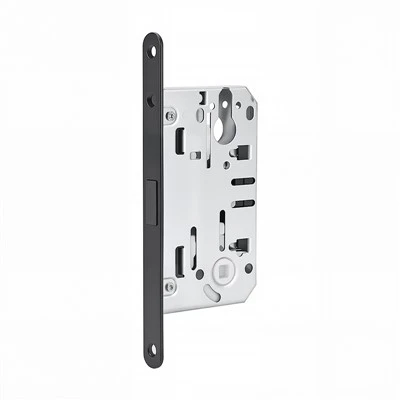
First, let’s start with the foundation: fire-rated doors themselves aren’t a random construction element. A 90-minute or 3-hour fire-rated door isn’t just a steel slab or wood panel—it’s a system. That means every single part that touches it, from the hinges to the lock, has to be tested to work in conjunction with it. I’ve seen a project manager swap out a generic mortise lock body for a “cheaper” model mid-job, only to get a red tag from the fire marshal because the lock wasn’t certified for fire use. The key here is third-party certification. Without that, nothing else matters.
When I say third-party certification, I’m referring to organizations like Underwriters Laboratories (UL) in the U.S. and Canadian Standards Association (CSA) up north. These groups don’t just take a manufacturer’s word for it—they test each lock body in conditions that mimic real fires: extreme heat, sudden temperature changes, even the pressure of smoke and flames pushing against the door. For a mortise lock body to be approved for a fire-rated door, it has to pass the same thermal endurance test as the door itself. That means it can’t warp, melt, or stop operating when exposed to temperatures up to 1,800°F (982°C) for the door’s rated duration. If a lock’s internal mechanism melts at 1,200°F, it’s useless in a 90-minute fire door that will see much higher heat later on. I remember a client once told me he thought all metal locks were fire-rated—turns out his supplier’s “fire-rated” line only passed a 20-minute test, not the 90 minutes he needed for a stairwell door in a hospital. That mistake cost him a rework and a week of delays.
Next, compatibility with the door’s fire rating. This isn’t a one-size-fits-all scenario. A mortise lock body certified for a 90-minute fire door won’t automatically work in a 3-hour rated door. The thicker steel and heavier frame of a 3-hour door put more stress on the lock, and the extended heat exposure means every component has to be designed for that longer period. I’ve had architects specify a 3-hour door and a mortise lock body intended for 1-hour use because their bid didn’t account for the difference. It’s not just about the time—even the door’s material matters. Wood fire doors have different expansion rates than steel doors, so the lock’s mounting tabs and grip length have to be adjusted to match. For example, a mortise lock body made for a steel fire door might pull away from a wood door’s frame when the wood expands from heat, breaking the seal and letting fire through.
Then there’s the integrity requirement, which goes hand in hand with thermal endurance. Fire doesn’t just come from heat—it comes from smoke, flames, and hot gases. A lock body can’t have any gaps or cracks that would let these elements pass through. UL and CSA test this by placing a small amount of cotton waste on the latch side of the door; if the waste ignites during the fire test, the lock fails. I always make sure to tell our clients: if a mortise lock body has exposed screw heads or loose mounting plates, it’s a fire hazard waiting to happen. We engineer our fire-rated mortise locks with flush, recessed mounting hardware to eliminate those gaps—small detail, but it’s the difference between a passing grade and a failure.
Don’t forget the life safety function. A fire-rated door is there to allow people to exit quickly in an emergency, so the mortise lock body has to be “free egress” compliant in most cases. That means the interior side of the lock can be operated with a single motion, no key required. I’ve seen contractors install a mortise lock with a key-only interior cylinder in a stairwell fire door—deadly mistake. If a fire breaks out, people won’t fumble for a key, and the door becomes a barrier. For these applications, our fire-rated mortise locks have a thumbturn or lever on the interior that’s easy to operate, tested to work even when the lock’s internal parts are exposed to heat.
Thermal expansion is another critical factor most people overlook. When a door heats up, both the door frame and the mortise lock body expand. If the lock isn’t designed to account for this expansion, it can jam. I once supplied a lock body for a warehouse door that failed an initial fire test because the steel lock expanded at a different rate than the aluminum frame. We had to modify the lock’s mounting brackets to have slotted holes that let the lock move slightly, matching the frame’s expansion. That fix took a week, but it meant the door passed the second test. Always check that the mortise lock body’s thermal expansion coefficient matches the door frame material—this is why our team works with each client to provide a lock that’s matched to their specific door and frame combination, not just a generic model.
Documentation is non-negotiable too. When you install a mortise lock body in a fire-rated door, you have to keep a paper trail. That means the lock’s certification label, the test report from UL or CSA, and the installation instructions. Fire marshals will ask for this during inspections, and if you can’t produce it, the entire door assembly might be deemed unfit. I always include a copy of the certification and installation guide with every shipment, and my team is available to answer questions if a project manager needs to show it to the inspector. I’ve had a contractor call me at 9 PM before an inspection, panicking because his lock’s label fell off the door—we just had him send a photo of the digital copy we keep on file, and it passed.
Now, let’s talk about common mistakes I see our customers make. First, assuming that a high-security mortise lock is fire-rated. High-security often means extra metal or complex internal parts, which might not have been tested for heat resistance. Second, cutting corners on installation. Even the best certified lock won’t work if it’s not installed correctly. For example, if you mortise the door too shallow, the lock won’t seat properly, creating a gap that lets smoke through. Or if you don’t tighten the mounting screws to the torque specified in the instructions, the lock can pull loose during a fire. Third, not accounting for the lock’s finish. Some decorative finishes, like polished brass, can’t handle high heat as well as black oxide or stainless steel. We recommend our clients choose a heat-resistant finish for fire-rated applications, which we offer as a standard option for all our certified mortise lock bodies.
As someone who’s been in this industry for years, I’ll tell you that the line between “good” and “good enough” for fire-rated mortise locks is razor-thin. It’s not about picking the cheapest option or the one that fits the door best—it’s about picking one that’s been tested to do its job when every second counts. I’ve seen the damage a fire can cause, and I know that a properly installed mortise lock body that meets all the requirements can mean the difference between a safe evacuation and a tragedy.
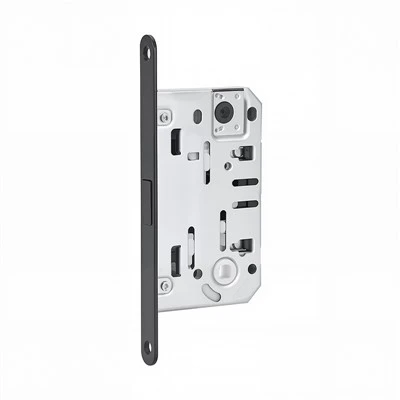
If you’re working on a project that requires a mortise lock body for a fire-rated door, don’t guess. Reach out to our team to discuss your specific needs—we’ll help you find the right lock, ensure it’s certified for your door’s rating, and provide all the documentation you need for inspections. We’ve supplied locks to hospitals, schools, office buildings, and warehouses, so we know how to get it right the first time.
Door Closer References
National Fire Protection Association (NFPA) 80: Standard for Fire Doors and Other Opening Protectives
Underwriters Laboratories (UL) 10C: Standard for Safety for Fire Tests of Door Assemblies
Canadian Standards Association (CSA) A115.2: Fire Tests of Door Assemblies
American National Standards Institute (ANSI)/BHMA A156.13: Mortise Locks and Latches for Doors
Jiangsu Wenzhong Lock Industry Co., Ltd.
As one of the most experienced mortise lock body manufacturers and suppliers in China, we also support customized service. We warmly welcome you to wholesale bulk cheap mortise lock body in stock here from our factory. If you have any enquiry about pricelist, please feel free to email us.
Address: Xiaoliang Industrial Park, Danyang City, Jiangsu Province
E-mail: Rongoo7@163.com
WebSite: https://www.wenzhonglocks.com/
