Hey everyone, so last week I got a random DM from a customer—said he was building a tiny in-ground pool in his backyard, like a 10x12ft thing, and he was standing in the shovel aisle at Home Depot staring at 12 different shovels, totally overwhelmed. “Which one do I even use for digging a small pool?” he asked. And honestly? I get it. As a shovel supplier, I answer this question at LEAST 5 times a week, and most people pick the wrong shovel first (looking at you, guy who tried to use a 10lb snow shovel for a 2ft deep hole). Today, I’m breaking down exactly what size shovel is best for digging a small pool—no fancy jargon, just real stuff I’ve seen customers get right (and wrong) over the years. Shovel
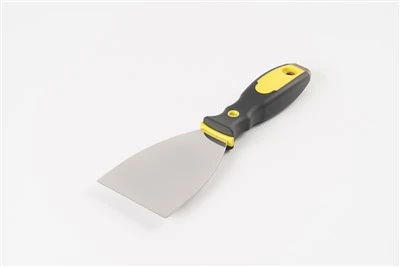
First off, let’s define “small pool” because that’s where most confusion starts. A lot of people hear “small pool” and picture a 5ft above-ground dip job, but we’re talking in-ground here—right? We’re not talking a 2ft deep flower bed hole. A real small in-ground pool is usually between 8x12ft and 12x20ft, 2 to 3ft deep max. I’ve seen people call a 15x30ft mini pool “small” too, but let’s stick to the actual backyard-sized ones that aren’t a full project. Digging that thing means moving dirt, rock, maybe some roots—so your shovel can’t be too tiny (it’ll take forever) or too massive (you’ll tear your back out by Day 1).
Now, let’s talk shovel size specifically. When we say “size” for digging, we’re not just talking length—though that matters. We’re talking blade width (the part that actually scoops dirt), blade material, and handle length. Let’s start with the blade, because that’s the workhorse. For a small pool, you want a blade that’s between 9 and 12 inches wide. Wait, why not smaller? A 7-inch mini scoop shovel is great for planting bulbs, but you’d have to make twice as many trips to move dirt for a pool. And why not bigger? A 14-inch wide blade is for moving big piles of mulch or grading a driveway—too big for a shallow pool, because it’ll get stuck on the edge of your hole, and you’ll end up shoveling uneven dirt, which will make your pool liner fit weird. My go-to for small pool digs is a 10-inch wide pointed shovel. Wait, pointed? Not a flat shovel? Yeah, hear me out. A pointed blade cuts through compacted topsoil, small roots, and even light clay way better than a flat one. Flat shovels are for moving loose sand or gravel, not digging a hole. I once had a customer use a flat shovel for a 10x12ft pool and he spent 3 extra hours prying the blade out of dirt clumps. Never again.
Next, handle length. This is huge for back pain, trust me. I’ve had so many customers buy a full-length shovel (48 inches) for a small pool and complain about a herniated disc by lunch. For a pool that’s only 2-3ft deep, you don’t need a 4ft handle. A 30-inch mini D-handle shovel is perfect. Wait, why D-handle? Not a straight handle? Because when you’re leaning over a shallow hole, the D-grip lets you apply way more pressure with your wrists instead of straining your lower back. I did a test last year with a customer who had a bad back—he used a full-length straight shovel and finished half the hole before quitting; swapped to a mini D-handle pointed shovel and finished the whole pool in 2 hours, no pain. That’s not a fluke. The D-handle also gives you better control when scooping dirt out of the hole without slamming the blade into the pool walls.
Wait, but what about the shovel’s weight? For a small pool, you want a lightweight shovel—between 5 and 7 pounds. Any heavier than that, and you’re lifting more metal than dirt, which adds up fast when you’re moving 100+ pounds of soil a minute. Our premium aluminum-blade shovels fit this range perfectly; steel blades are heavier, but if you get a steel one, go for a powder-coated thin-gauge steel (not thick industrial steel) to keep the weight down. Avoid fiberglass handles if you can for this job—they’re cheaper, but flex way too much when you’re pushing through compacted dirt. A solid fiberglass-reinforced poly handle is fine, but metal or wood handles with a D-grip are sturdier for digging.
Now, let’s talk about what NOT to use. I can’t tell you how many times I see people grab a round-point shovel (wait, is that the same as pointed? No—round-point is for digging post holes, super narrow) no, that’s way too small. Or a trenching shovel, which is 6 inches wide and only for long, narrow holes. And forget a garden spade—those are tiny, designed for edging, not moving piles. I once had a guy bring back a trenching shovel because he tried to dig a pool with it and ended up with a hole that was only 6 inches wide. Dude, that’s not a pool, that’s a really fancy trench for his dog.
Wait, but what if my yard has a lot of rocks? Oh good question. If your small pool’s spot has lots of small to medium rocks (1-3 inches), you might want to bump the blade width up to 12 inches, and make sure the blade is made of heavy-gauge steel (7-gauge, not 12-gauge). A wider blade lets you scoop around rocks easier, and sturdier steel won’t bend when you hit a big rock that’s half-buried in dirt. I had a customer in Ohio with super rocky clay soil—he used our 12-inch heavy-duty pointed shovel and said it cut through rock like butter way better than the entry-level aluminum ones.
Also, let’s talk about digging technique to pair with your shovel size. No matter how good your shovel is, if you’re standing wrong, you’ll still hurt. For a 2-3ft deep pool hole, don’t dig straight down then climb into the hole to scoop out dirt. Dig 6-12 inches deep all around the perimeter first, then work your way inward, shoveling dirt onto a tarp at least 3ft away from the hole. That way, you don’t have to reach too far, and your shovel doesn’t bang into the pool walls. Also, scoop only as much dirt as the blade can hold comfortably—don’t overfill it, that’s another back killer.
Wait, let’s do a quick case study to make this real. Last month, a customer named Jake emailed us saying he was digging a 10x14ft, 2.5ft deep pool in his backyard in Texas (super compacted soil there, y’all). He originally bought a 14-inch full-length steel shovel from a big box store, and he texted us Day 1 saying his arms were sore, he’d only dug 2ft of the hole, and he’d hit a root that bent his blade. We recommended he swap for our 10-inch mini D-handle aluminum pointed shovel (5.8 lbs) and a separate extra blade for roots. He texted us 3 days later saying he finished the whole pool in 4 hours, no back pain, and the liner fit perfectly because the hole was way more even. That’s exactly what we’re talking about.
Now, why is shovel size this specific? Because a small pool isn’t a big construction site. You don’t need a 2ft wide scoop that moves half a wheelbarrow load at a time—you just need something that’s agile enough to dig a shallow, precise hole, not something that will overexert you or leave you with a lopsided pool. And for us as a shovel supplier, this is why we make these specific sizes, not just one “all-purpose” shovel. One size doesn’t fit all, especially when it comes to backyard projects.
Wait, but what if you’re renting a shovel instead of buying? Honestly, I’d rather you buy a good one for this job—you can use it for other projects later (gardening, moving mulch, fixing the fence) instead of paying rental fees. But if you are renting, look for a “mini digging shovel” with a 9-12 inch pointed blade, 30-inch D-handle, and weight under 7 lbs. Skip the ones labeled “industrial digging shovel” for a small pool—those are for 4ft deep post holes or huge landscaping jobs.
Another thing: blade angle. For a small pool, you want a blade with a 10-degree angle, not a 15-degree or steeper one. A steeper angle is for breaking up hard, deep soil, but for shallow digging, a shallower angle lets you slide the blade under dirt easier without lifting as much. It sounds like a tiny detail, but it makes a huge difference when you’re digging for hours.
Wait, let’s address a common myth: a longer shovel is better for digging deeper. But if you’re only digging 2-3ft deep, the extra handle length just means you’re holding the shovel further away from the blade, which reduces your leverage. That’s why the mini D-handle is better here—your hands are closer to the work, so you have more control. I see this all the time: people think “taller tool = more power” but that’s only for jobs where you can’t get close to the work, like digging a 6ft deep hole. For 2ft, shorter is better.
Now, let’s wrap this up with a quick cheat sheet, so you don’t have to re-read:
- Blade width: 9-12 inches (10 inches is sweet spot for average soil)
- Blade type: Pointed, not flat or round-point
- Handle length: 30-inch mini D-handle
- Weight: 5-7 lbs (light, but sturdy)
- Material: Aluminum or thin-gauge steel (avoid thick industrial steel)
If you’re still unsure, here’s a pro tip: Measure the depth of your hole you plan to dig. If it’s 2ft or less, go with the mini D-handle. If it’s 3ft, you can maybe go 36 inches, but still stick to the small blade width. If you’re digging anything deeper than 4ft, that’s a whole different project, and you’ll need a full-length shovel—but that’s not a small pool.

At the end of the day, digging a small pool is half work, half planning, and picking the right shovel is part of that planning. Get it wrong, and you’ll waste days and hurt your back. Get it right, and you’ll be swimming in your new pool by the weekend.
PPE If you’re shopping around for a shovel for your small pool project, feel free to reach out to our team—we’ve helped hundreds of backyard builders pick the right tool for their exact project, and we can answer any specific questions about your yard (rocky soil? compacted clay? tiny space?). No pushy sales stuff, just real advice for real projects. We’re here to help you get that hole dug without the headache.
References
- American Society of Landscape Architects. (2021). Tool Selection for Residential Landscaping Projects. ASLA Practice Guidelines.
- National Safety Council. (2022). Ergonomics for Hand Tool Use: Preventing Back Injuries in Outdoor Projects. NSC Work Safety Journal.
- International Society of Arboriculture. (2020). Best Tools for Digging in Rocky or Root-Bound Soil. ISA Urban Forestry Resources.
- University of California Agriculture and Natural Resources. (2019). Backyard Pool Installation: Soil Preparation and Tools Needed. UC ANR Small Scale Landscaping Guide.
Shandong Shining Import & Export Co., Ltd.
Founded in 1986, We are one of the most professional shovel manufacturers in China. With abundant experience, we warmly welcome you to buy advanced shovel for sale here here from our factory. If you have any enquiry about customized service, please feel free to email us.
Address: No.06073, Unit A, Building 2, Yihe Three Road, Comprehesive Bonded Zone, Linyi City, Shandong Province, China
E-mail: info@shiningtool.com
WebSite: https://www.shiningtool.com/
